
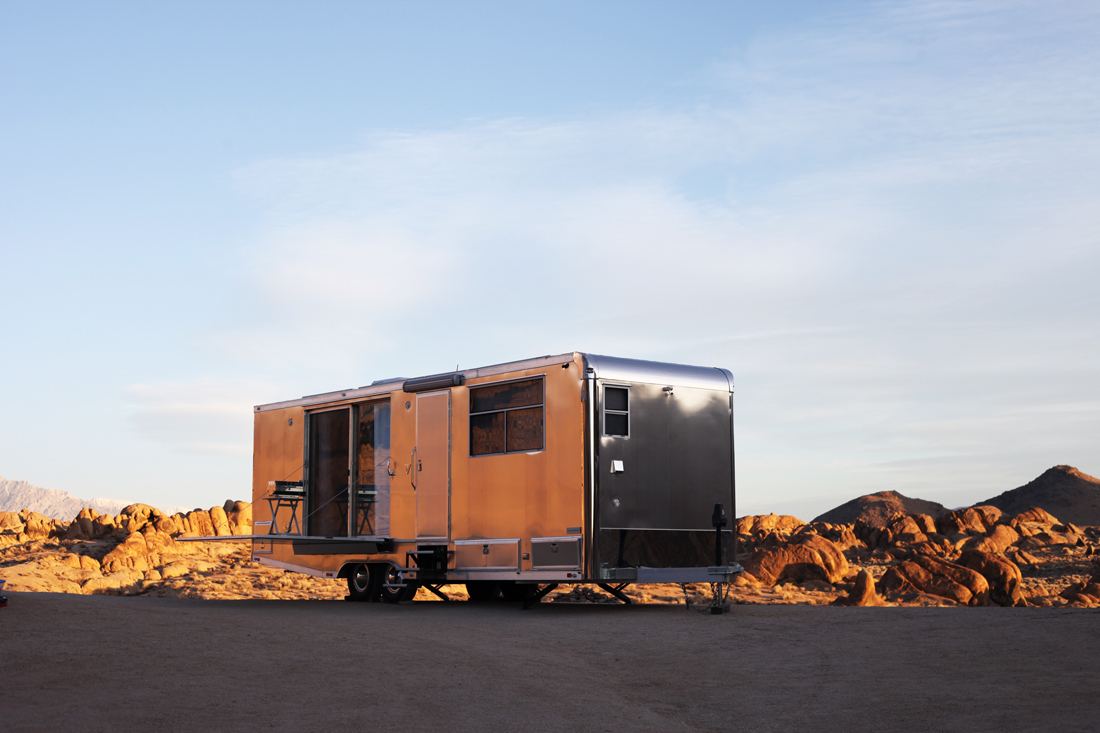
Driving the evolution from the traditional model of housing to the ever more dynamic development of small space living is an awareness of the resources that are available to the public to support a mobile lifestyle. Living Vehicle™ has made it possible for people to travel the continent to experience nature and community without sacrificing the grounding effects of having a place to call home. Aside from the expanding presence of small space communities in urban areas, there is a vast amount of land in the U.S. that is available to the public for free recreational use. The Bureau of Land Management’s mission is simple – “to sustain the health, diversity, and productivity of the public lands for the use and enjoyment of present and future generations.”
Land managed by the BLM is any adventuresome soul’s dream. Folks in search of an off-grid experience without the hassle of permits or fees will be thrilled to know that the BLM administers more than 247.3 million acres of public land in the U.S. which constitutes nearly one-eighth of the country’s landmass.
Although the BLM originated in 1946, its roots go back all the way to the beginning of America’s independence, when the country began promoting homesteading to encourage westward migration. In 1812, The General Land Office was created in support of this national goal. As time went on, values and attitudes toward public lands shifted and Congress made the decision to merge the GLO with the US Grazing Service, which ultimately created the BLM. The BLM land is primarily located in the western states, including California, Oregon, Nevada, New Mexico and Utah. Public lands managed by the BLM offices of California have shaped the way people live and connect with nature-- from the historic travel routes of California’s first inhabitants, settlers, gold miners and military troops, to the Californians who live there today.
Vehicle for Experience
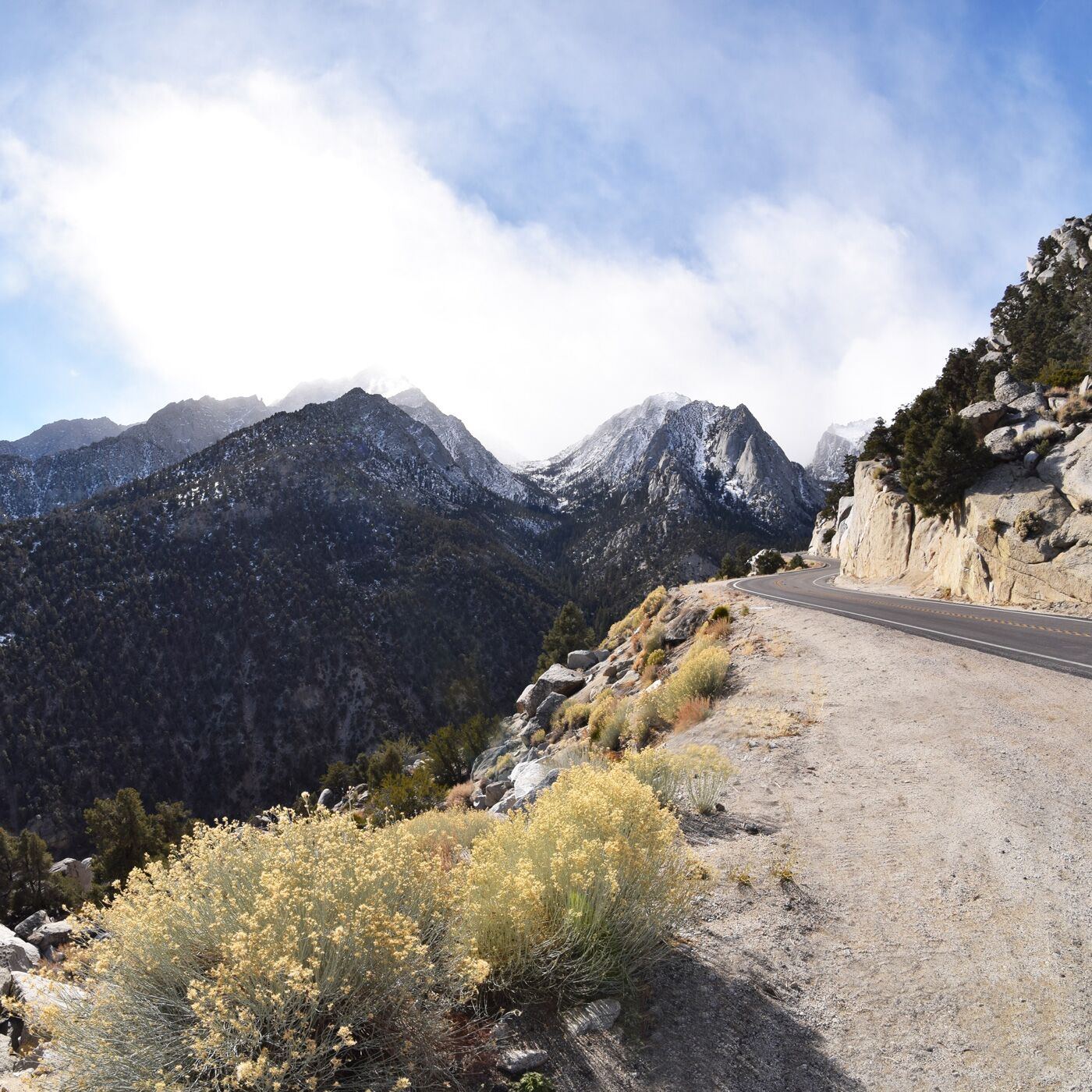
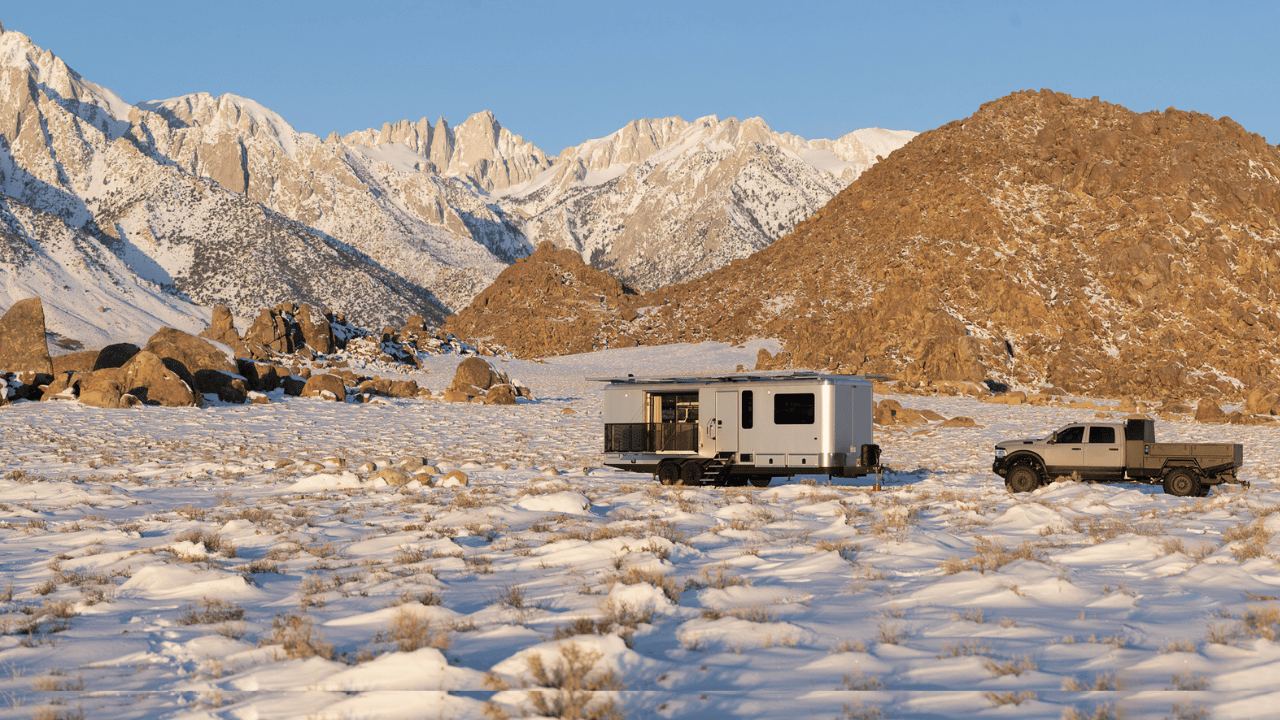
Living Vehicle’s off-grid features are designed to bring you closer to the experience of public lands public lands in the US. If your goal is to fully immerse yourself in the beauty of nature and open land, LV makes for a perfect off-grid “home on wheels”. To enhance it’s off-grid capability, LV is equipped with four 150 watt solar panels, four 12 volt lithium ion batteries, and a 3000 watt power inverter. With the inclusion of a 100 gallon freshwater tank and oversized storage compartments, LV can support two people living comfortably in remote wilderness areas for extended periods of time. We recently put Living Vehicle’s off-grid features to the test by taking it on a seven day wilderness adventure in the Alabama Hills. Without hooking up to power, water or gas, the Alabama Hills’ sub-freezing temperatures gave us the perfect opportunity to put LV’s off-grid features to the test – and she performed wonderfully. Hear all about our off-grid experience in our latest blog post, Living Vehicle Goes Off Grid!
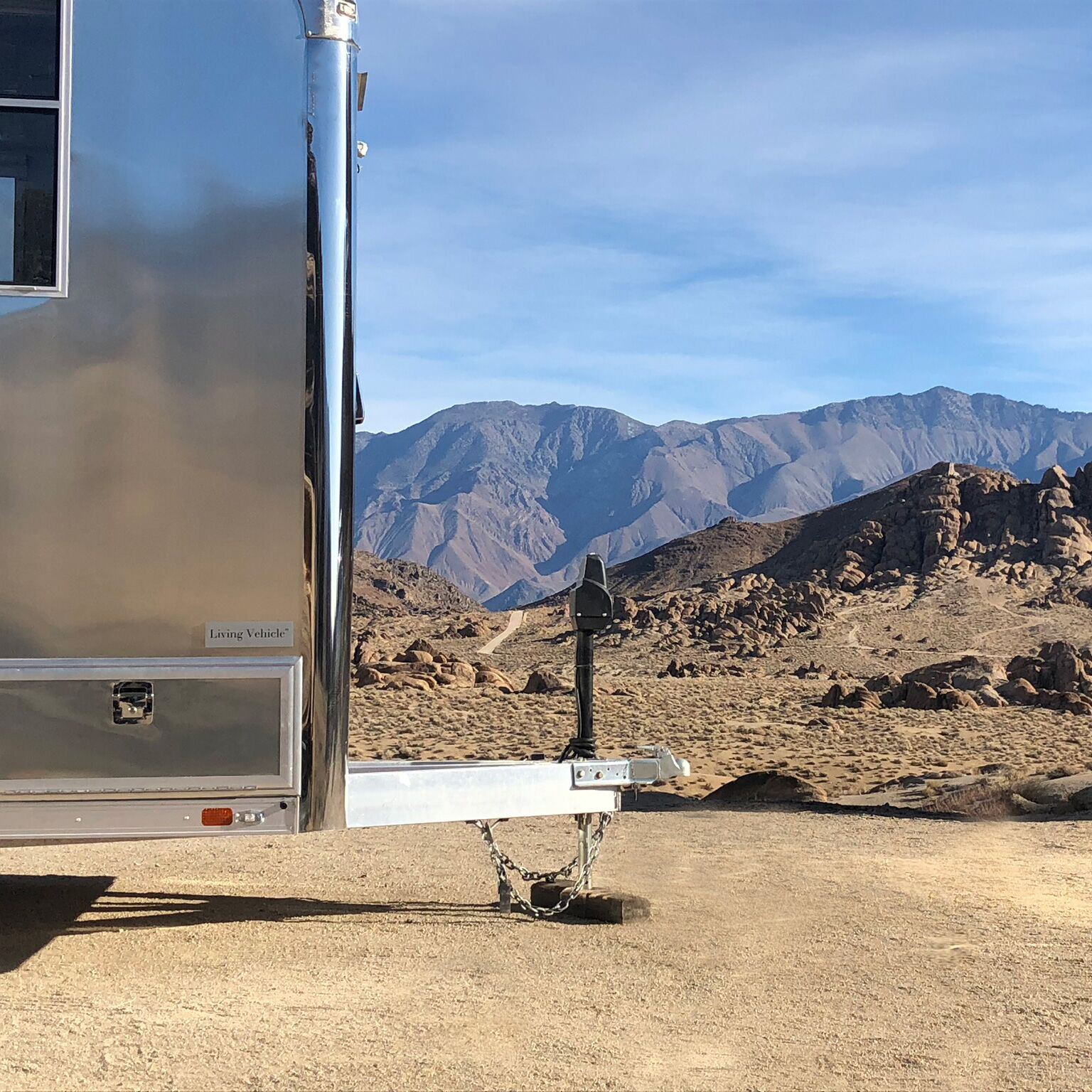
Whether it’s your first time going off-grid or you are looking to take a step back from everyday life and experience some time of solitude in the wilderness, the US is filled with places to explore! Be sure to check out The Bureau of Land Management’s website for georeferenced maps as well as information regarding laws, regulations and activities. Before you head out, see how an off-grid travel trailer handles power and water for weeks at a time.
Below we have made a list of a few of BLM’s must-see spots in California-- entirely off-grid!
- Alabama Hills - Bishop, CA
- Cache Creek Wilderness Area - Clear Lake, CA
- Cow Mountain - Ukiah, CA
- Lacks Creek - Arcata, CA
- Lost Coast Headlands - Arcata, CA
- Rocky Point West - Susanville, CA
- Sacramento River Bend Area - Bend, CA
- Santa Rosa and San Jacinto Mountains National Monument - Coachella Valley, CA
- Steiner Flat - Douglas City, CA
- Tumey Hills - Panoche, CA
What is BLM?
America’s public lands offer some of the most breathtaking and tranquil camping opportunities in the world, and much of it is completely free. Among the crown jewels of these public lands is BLM land—short for Bureau of Land Management land. Managed by a U.S. government agency, BLM land encompasses vast expanses of terrain that are owned by all Americans and available for various uses, from recreation and conservation to grazing and energy development.
For camping enthusiasts, this means access to a treasure trove of campsites perfect for those seeking solitude, adventure, and a true connection to nature. With well-maintained dirt roads, picnic areas, trailheads, and endless horizons, BLM camping offers the ultimate escape. Here are ten of the best campsites to explore, along with tips for making the most of your experience.
1. Alabama Hills National Scenic Area, Lone Pine, CA
Explore iconic film locations where over 400 Western movies were shot. Whether you're hiking the natural arches, climbing rocks, or enjoying the blooms of wildflowers in spring, this area offers adventure and stunning desert vistas. Horseback riding and mountain biking are also popular here.
2. Sparks Lake, Central Oregon
Nestled 25 miles west of Bend, Sparks Lake offers stunning views of Mount Bachelor, Broken Top, and South Sister. Accessible campsites allow you to paddleboard, kayak, or canoe into serene surroundings.
3. Canyon Rims Recreation Area, Moab, UT
Located south of Moab and just outside Canyonlands National Park, this destination is a paradise for red rock enthusiasts. Whether you’re hiking, mountain biking, or soaking in the colors of the sunset, you’ll find designated campgrounds and primitive spots to suit your camping style.
4. Yakima River Canyon Campgrounds, WA
Stretching along the Yakima River between Ellensburg and Yakima, this serene hideaway features four BLM-managed campsites equipped with vault toilets, fire rings, and picnic tables, all amidst lush scenery.
5. Dalton Highway, AK
Travel 414 miles of rugged wilderness along Alaska's Dalton Highway. The route includes access to the Yukon River, the Arctic Circle, and hidden campgrounds perfect for those seeking a raw and unfiltered connection to nature.
6. Soldier Meadows Hot Springs, NV
In the remote Black Rock Desert, 169 miles northeast of Reno, lies Soldier Meadows. With natural hot springs and scenic trails, this secluded oasis offers a peaceful retreat away from the crowds.
7. Wild and Scenic Rogue River, OR
The Rogue River Trail is known for its dramatic landscapes, whitewater rapids, and incredible wildlife sightings. Camp along the trail and immerse yourself in the beauty of Oregon’s wilderness.
8. King Range National Conservation Area, Lost Coast, CA
Dubbed California's "Lost Coast," this rugged expanse offers pristine coastline and towering forests. Secure a permit to camp here and experience one of the most untouched areas in the state.
9. Mowich Lake Campground, Mount Rainier National Park, WA
The largest and deepest lake in Mount Rainier National Park offers unmatched alpine beauty. Accessible via an unpaved road, this serene spot requires campers to bring a camp stove as fires are prohibited.
10. Gorge Lake Campground, North Cascades National Park, WA
This peaceful, lakeside campground offers views of Gorge Lake and Stetattle Creek. It’s a prime spot for those seeking solitude amid the towering peaks of the North Cascades.
Honorable Mention: Cottonwood Recreation Site, Joshua Tree National Park, CA
For those looking to avoid the hustle and bustle of Joshua Tree’s main campgrounds, Cottonwood Springs provides a tranquil alternative with dispersed camping and wide-open desert views.
BLM Camping Dos and Don’ts
Camping on BLM land offers unparalleled freedom, but it comes with a responsibility to respect and protect the environment. Keep these essential guidelines in mind:
- Leave No Trace: Always pack out what you pack in, respect wildlife, and stick to durable surfaces to preserve the natural beauty.
- Follow Camping Guidelines: Maintain at least 100 feet from water sources and camp within 150 feet of roads. Choose existing campsites to minimize disruption to the land.
- Check Fees and Permits: While most BLM camping is free, some sites require small fees or permits, which can be paid through services like recreation.gov. Research your campsite in advance to ensure compliance.
- Adhere to Stay Limits: Campers can stay on BLM land for up to 14 days within a 28-day period. This rule protects the ecosystem and ensures access for other visitors.
Why Choose Public Lands?
Public lands like BLM-managed areas offer a unique camping experience that fosters a deeper connection to nature. With their affordability, accessibility, and pristine beauty, they represent a gift to every adventurer. Whether you're gazing at the stars in the desert or waking up to the sound of a rushing river, these lands offer countless opportunities for exploration and relaxation.
So pack your gear, choose a destination from this list, and get ready to experience America’s wide-open spaces like never before. Adventure is calling!